Tiger Cub and Tree: A Designer’s Review for Branded Merch
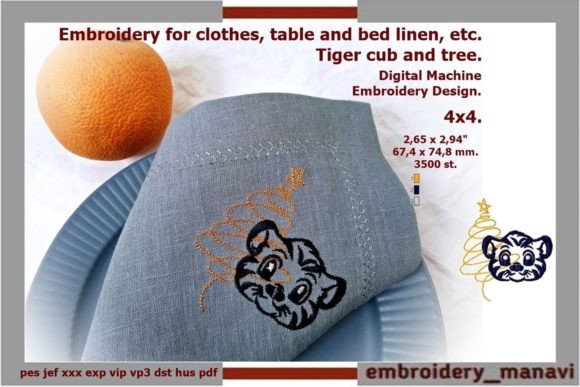
As an embroidery designer who has spent years digitizing files for small business owners, I approach every new machine embroidery design with a critical eye. It is not just about whether the image looks cute on a screen; it is about how that design performs in the real world of commercial production. Recently, I evaluated the Tiger Cub and Tree design, categorized under Baby Animals, to determine its viability for branded merchandise. This review focuses on its application for patches, uniforms, caps, and tote bags, offering insights for Etsy sellers, apparel decorators, and handmade brands.
First Impressions: Visual Personality and Brand Fit
The first thing that strikes you about Tiger Cub and Tree is its inherent warmth. The combination of a young tiger and a natural element like a tree suggests themes of growth, nature, and gentle strength. For a brand identity, this design feels friendly, rustic, and handmade rather than corporate or sterile. It carries a playful yet classic aesthetic that can soften the look of professional workwear or add a unique touch to boutique merchandise.
Because this is an in-the-hoop embroidery design, it offers a distinct advantage for creators looking to produce finished products quickly. The description notes that it can be stitched on leather or any other fabric, which significantly expands its utility. This versatility makes it a strong candidate for diverse product lines, from rugged outdoor gear to delicate baby items. However, the "cute" factor of a tiger cub must be balanced with professional execution to ensure it does not appear childish unless that is the specific intent of your brand.
Real-World Applications for Small Business Merch
When considering where to place Tiger Cub and Tree, we must look beyond simple decoration. For small business merch, consistency and durability are key. Here is how this design performs across various commercial embroidery projects:
- Embroidered Patches: This is arguably the best use case. Since it is an in-the-hoop design, it creates a clean, self-contained unit. You can stitch these in batches and apply them to jackets, hats, or bags later. This allows for efficient inventory management for Etsy sellers and craft businesses.
- Apron Embroidery: For bakeries, florists, or creative studios, an apron with a subtle tiger cub motif adds personality without being overwhelming. It signals a handmade, caring approach to service, enhancing customer trust.
- Cap Embroidery: Placing this on the front of a cap requires careful scaling. The tree element provides vertical balance, but the details of the cub’s face must remain clear. It works well for local businesses wanting a memorable, non-text logo accent.
- Tote Bag Design: Canvas totes are popular for eco-friendly brands. The rustic feel of the tree complements natural fibers. Ensure the stitch density is appropriate for the fabric texture to prevent puckering.
- Staff Uniforms: On work shirts, this design serves as a chest logo accent. It humanizes the brand, making staff appear approachable. It is particularly effective for pet brands, childcare centers, or nature-focused retail shops.
Technical Considerations and Production Challenges
While the aesthetic appeal is high, technical execution determines the quality of the finished product. As a designer, I advise caution in several areas when using Tiger Cub and Tree for commercial purposes.
First, consider the stitch density. In-the-hoop designs often have satin stitch borders to encase raw edges. If the internal fill of the tiger cub is too dense, it may become stiff, especially on smaller patches. Test the design on scrap fabric identical to your production material. If you are stitching on leather, as mentioned in the product description, ensure your machine tension is adjusted, as leather does not breathe like cotton.
Second, evaluate the size constraints. Detailed outlines can disappear if the design is scaled down too much. For small patch sizes or tiny lettering combinations, simplify the color palette. High contrast between thread colors is essential for visibility. A dark brown tree against a black background will fail, whereas a golden tiger against navy blue will pop.
Third, think about curved surfaces. Cap fronts and sleeve details present challenges. The tree’s vertical lines might distort if the hoop is not stabilized correctly. Always use a proper stabilizer suited for the fabric weight. For stretchy materials like jersey t-shirts, a cut-away stabilizer is non-negotiable to maintain the shape of the tiger cub over time.
Enhancing Brand Identity and Customer Engagement
Using a distinctive design like Tiger Cub and Tree can significantly impact brand recognition. In a market saturated with generic logos, a well-executed embroidered motif stands out. It conveys effort and quality, which increases perceived product value. Customers often associate embroidery with premium, handmade goods, which can justify higher price points for your custom apparel or accessories.
For handmade brands, this design acts as a visual signature. Whether used as a product label on a knitted item or as a decorative element on packaging, it reinforces a narrative of care and craftsmanship. When customers see consistent use of such design assets across your social media, website, and physical products, it builds a cohesive brand identity. This visual consistency fosters buyer engagement and loyalty.
Practical Designer Notes for Implementation
Before launching Tiger Cub and Tree into your production line, follow these steps to ensure professional results:
- Test in Black and White: Print or stitch a monochrome version first. This reveals if the shapes are distinguishable without relying on color. If the cub blends into the tree, adjust the thread colors or simplify the design.
- Check Hoop Size Compatibility: The product description mentions it is an in-the-hoop design but does not specify the exact hoop size. Verify this detail before purchasing or producing. Ensure your machine can accommodate the required hoop for the desired output size.
- Create a Printable Mockup: Use digital tools to place the design on photos of caps, aprons, and bags. This helps clients visualize the final look and aids in approval processes before stitching begins.
- Confirm Commercial Licensing: Always check the license terms of the digital embroidery file. Ensure you have the rights to use the design for selling physical goods. Some licenses restrict the number of units or require attribution.
- Fabric Testing: Stitch on the actual materials you plan to sell. Leather, denim, and canvas behave differently. Check for puckering, thread breaks, or registration issues.
In conclusion, Tiger Cub and Tree is a versatile asset for small business owners looking to add character to their merchandise. Its suitability for leather and various fabrics, combined with the efficiency of in-the-hoop production, makes it a practical choice for patches and branded items. By paying attention to stitch density, stabilizer choice, and brand consistency, you can transform this charming Baby Animals design into a powerful tool for customer engagement and professional presentation. Always prioritize quality control in your commercial embroidery projects to maintain the trust and admiration of your clientele.