Autumn Season: A Designer’s Review for Branded Merch
As an embroidery designer who has spent years digitizing files for small businesses, I approach every new machine embroidery design with a critical eye. It is not just about whether the image looks pretty on a screen; it is about how it performs under the needle and how it serves the brand identity of the client. Recently, I reviewed Autumn Season, a digital file categorized under Holidays, to determine its viability for commercial use. My goal was to assess if this design could elevate small business merch beyond simple decoration and into the realm of professional branding.
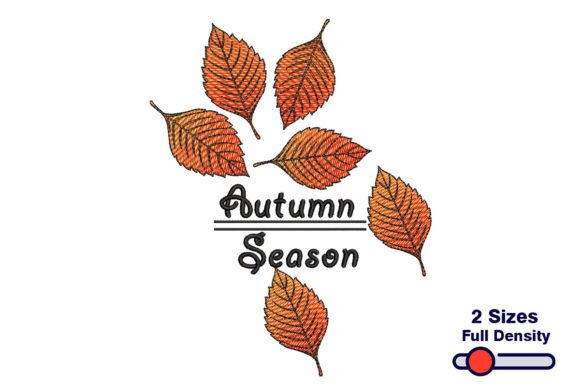
The first impression of Autumn Season is one of warmth and approachability. The description promises a quick and easy way to add personality to fabric, which immediately signals utility for high-volume or fast-turnaround projects. Visually, the design leans towards a rustic yet polished aesthetic. It feels handmade but refined, striking a balance that is often difficult to achieve in digitized art. For boutique owners, bakeries, and creative studios, this visual tone is crucial. It suggests comfort and quality without appearing overly corporate or stiff. This makes it an excellent candidate for brands that want to project friendliness and artisanal care.
Real-World Applications for Small Business Merchandise
When evaluating a design for commercial embroidery, I always ask where it will live on the product. Autumn Season demonstrates remarkable versatility across various apparel and accessory types. For a local café or florist, this design works exceptionally well as a chest logo accent on staff uniforms. It is distinct enough to be recognized from a distance but detailed enough to reward closer inspection. On aprons, which are staples for bakery and craft business assets, the design adds a layer of professionalism that generic text logos often lack.
Beyond uniforms, the design shines in customer-facing merchandise. Consider tote bags, a popular item for Etsy sellers and handmade brands. The tote bag design potential here is strong because the motif likely offers good coverage without excessive bulk, provided the stitch density is managed correctly. For cap embroidery, the design can serve as a subtle side detail or a front-panel feature, depending on its width. I also see significant potential for using this as an embroidered patch. Patches allow businesses to apply the design to items that are difficult to hoop directly, such as thick canvas bags or textured outerwear. This flexibility increases the return on investment for the digital embroidery file.
- Staff Uniforms: Ideal for apron embroidery and work shirts in hospitality sectors.
- Retail Merch: Perfect for tote bags, caps, and branded packaging accents.
- Customer Gifts: Adds value to holiday promotions and loyalty rewards.
- Patches: Allows for application on diverse fabric textures and curved surfaces.
Navigating Technical Challenges and Fabric Constraints
While the aesthetic appeal is clear, a professional review must address technical limitations. The description notes that this is a creative design for clothing and home decor, but it does not specify exact stitch count or density. This is a critical gap that every embroiderer must fill before production. High stitch density can cause puckering, especially on lighter fabrics used for summer linens or delicate blouses. Conversely, low density might leave gaps on textured materials like wool or heavy canvas.
I recommend testing Autumn Season on scrap pieces of the exact fabric you intend to use. Pay close attention to the spacing between elements. If the design includes fine details or tiny lettering, these may get lost when scaled down for small patches or cap fronts. Curved surfaces, such as the front of a baseball cap, require careful hooping and stabilizer selection to prevent distortion. For dark uniforms, ensure that the thread colors provide sufficient contrast. A design that relies on subtle shading may disappear on black or navy fabric unless outlined properly or stitched with high-brightness threads.
Another consideration is washability. Items like aprons and work shirts undergo frequent laundering. If the design has long satin stitches or loose connections, they may snag or fray over time. Reinforcing these areas with proper underlay stitches is essential. Always use the appropriate stabilizer—cut-away for stretchy fabrics and tear-away for stable wovens—to ensure the finished product maintains its shape and integrity after multiple washes.
Enhancing Brand Identity and Customer Trust
In the world of small business merch, consistency is key to building trust. Autumn Season contributes to a cohesive brand identity by offering a visual element that feels intentional and curated. When customers see a well-executed embroidered design on a tote bag or a staff member’s apron, it signals attention to detail. This perception of quality translates directly to perceived value. A simple t-shirt becomes a premium item; a plain mug sleeve becomes a collectible asset.
For Etsy sellers and crafters, using unique design assets like this helps differentiate their products from mass-produced competitors. It adds a human touch that resonates with buyers seeking authenticity. Furthermore, incorporating seasonal themes through designs like Autumn Season keeps the brand relevant and engaging. It shows that the business is active, current, and connected to the rhythms of the year. This can drive buyer engagement during peak shopping periods, particularly in the Holidays category where gift-giving drives sales.
Practical Notes for Production Success
Before committing to a large run of custom apparel or branded patches, follow these practical steps to ensure success with Autumn Season:
- Test in Monochrome: Stitch the design in black thread on white fabric first. This reveals the structural integrity and spacing without the distraction of color.
- Check Scale: Verify that the design remains legible at the smallest size you plan to use, such as on a pocket or small patch.
- Review Thread Colors: Match the digital palette to your physical thread inventory to avoid unexpected substitutions.
- Confirm Hoop Size: Ensure the design fits within your machine’s hoop capabilities without requiring complex re-hooping techniques.
- Create a Printable Mockup: Use design software to visualize the placement on the final product for client approval or internal review.
- Verify Licensing: Confirm that the commercial license allows for the volume of production you intend. The description mentions it is for personal and commercial use, but always read the full terms provided with the download.
In conclusion, Autumn Season is a versatile and professionally viable option for small business owners looking to enhance their branded merchandise. Its rustic charm and adaptability make it suitable for a wide range of applications, from employee uniforms to customer gifts. However, success depends on careful technical execution. By respecting fabric constraints, optimizing stitch density, and maintaining brand consistency, you can transform this digital embroidery file into a tangible asset that drives recognition and revenue. Always prioritize testing and quality control to ensure that every stitched piece reflects the high standards of your brand.