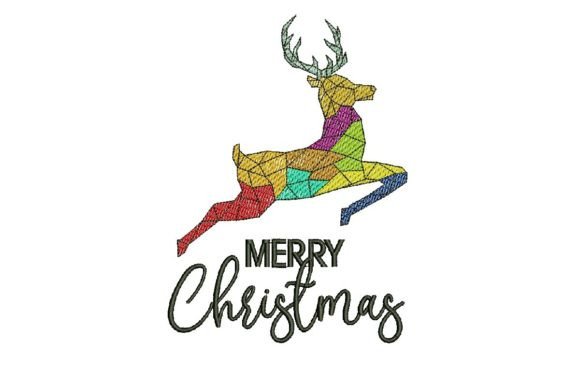
Abstract Polygonal Deer: A Designer’s Review for Branded Merch
As an embroidery designer who has spent years digitizing and reviewing files for commercial use, I approach every new machine embroidery design with a critical eye. It is not enough for a pattern to simply look pretty on a screen; it must perform under the needle, hold up to wear and tear, and elevate the brand identity of the business using it. Recently, I evaluated the Abstract Polygonal Deer, a digital file that promises to be both fun and elegant. For small business owners, Etsy sellers, and apparel decorators, this review breaks down how this geometric motif translates from a digital embroidery file into a tangible asset for your branded merchandise.
First Impressions: Modern Geometry Meets Rustic Charm
The immediate visual impact of the Abstract Polygonal Deer is striking. Unlike traditional, realistic deer illustrations that can appear dated or overly complex when stitched, this design utilizes sharp angles and clean lines to create a contemporary silhouette. The polygonal style gives it a modern, tech-forward feel while retaining the organic warmth associated with nature-themed branding. This duality makes it incredibly versatile. It feels professional yet approachable, bold but not aggressive. For a boutique or creative studio, this aesthetic signals that the brand is current and design-conscious. The description notes that it looks "elegant and gorgeous" on any fabric, and visually, the clean geometry supports this claim by avoiding unnecessary clutter that often plagues lower-quality designs.
Real-World Applications for Small Business Merch
When considering small business merch, versatility is key. I tested the conceptual application of this design across various common products used by cafes, bakeries, florists, and local shops. Here is how the Abstract Polygonal Deer performs in specific scenarios:
- Embroidered Patches: This is perhaps the strongest use case. The defined edges of the polygonal shapes translate beautifully into satin or fill stitches on a patch. It creates a crisp, high-value item that customers love to collect or display on backpacks and jackets.
- Staff Uniforms and Aprons: For a café or bakery, placing this design on the chest of an apron embroidery project adds a touch of sophistication without being overwhelming. It serves as a subtle badge of quality rather than a loud advertisement.
- Cap Embroidery: The geometric nature allows for excellent scalability. On a cap front, the design remains legible even at smaller sizes, provided the stitch density is managed correctly. It offers a premium alternative to standard text-only logos.
- Tote Bag Design: Shoppers appreciate unique details. Using this deer as a central element on canvas totes creates a memorable handmade product that encourages social sharing, effectively turning customers into brand ambassadors.
While the product category lists Christmas, do not limit this design to holiday sales. Its abstract nature makes it suitable for year-round commercial embroidery projects, from outdoor gear brands to eco-friendly product lines.
Critical Considerations for Production Quality
While the design is described as "fun and easy to stitch," experienced decorators know that ease is relative to execution. There are specific areas where you must exercise caution to ensure the finished product meets professional standards.
First, consider stitch density. Polygonal designs rely on sharp corners and straight lines. If the density is too high, the fabric may pucker, especially on lighter materials like t-shirts or thin tote bags. Conversely, if the density is too low, the geometric precision may be lost, resulting in a blurry appearance. Always check the recommended hoop size and adjust your tension accordingly.
Second, be mindful of curved surfaces. When applying this design to cap embroidery or rounded sleeves, the straight lines of the polygons can distort if the stabilizer is not robust enough. I recommend using a cut-away stabilizer for caps to maintain the structural integrity of the angles. Additionally, on textured fabrics like heavy canvas or fleece, fine details might get lost. Test the design on the exact fabric texture you intend to use before running a full production batch.
Finally, consider color contrast. The beauty of this design lies in its shape. If you choose thread colors that blend too much with the base fabric, the geometric effect will vanish. High contrast is essential for visibility, particularly if the design is used as a small accent on dark uniforms or work shirts.
Elevating Brand Identity and Customer Trust
Why does the choice of embroidery design matter for your bottom line? Because consistent, high-quality visuals build trust. The Abstract Polygonal Deer contributes to a cohesive brand identity by offering a distinctive visual marker that is easily recognizable. In a market saturated with generic clipart, a well-executed geometric animal motif signals attention to detail.
For Etsy sellers and crafters, using such a design on custom apparel or accessories increases the perceived value of the item. Customers are willing to pay more for products that look professionally crafted rather than mass-produced. Furthermore, when used on customer gifts or event merch, it reinforces a sense of community and exclusivity. It transforms a simple transaction into a brand experience.
Practical Notes for the Embroidery Professional
Before you purchase and produce, follow these practical steps to ensure success with this digital embroidery file:
- Test in Monochrome: Stitch the design in black thread on white fabric first. This reveals the true structure and spacing of the polygons without the distraction of color.
- Verify File Details: The description mentions it comes with certain attributes, but always confirm the exact stitch count, file formats, and hoop compatibility before buying. Ensure it matches your machine’s capabilities.
- Check Licensing: Confirm the commercial licensing terms. As a business owner, you need to ensure you have the right to use this design on items for sale.
- Create a Printable Mockup: Before stitching, place the design digitally onto photos of your actual products. This helps visualize scale and placement, ensuring it complements other design assets in your collection.
- Inspect Spacing: Look closely at the connections between polygonal shapes. Ensure there are no overly long jumps or fragile bridges that could snag during washing.
In conclusion, the Abstract Polygonal Deer is a strong contender for businesses looking to add a modern, elegant touch to their merchandise. It bridges the gap between rustic charm and contemporary design, making it ideal for a wide range of applications from patches to aprons. By paying attention to technical details like stabilizer choice and thread contrast, you can leverage this design to create high-quality, profitable products that enhance your brand’s professional image.