Reviewing the Piglet Plush Doll ITH for Real Projects
As a designer who spends more time staring at stitch maps than actual fabric, I have learned to be skeptical of cute concepts. We all know that what looks adorable on a screen can sometimes turn into a tangled mess of thread breaks and puckering on the machine. When I first opened the files for Piglet Plush Doll ITH, my initial reaction was cautious optimism. The preview showed a charming character, but the real test is always in the stitching. This review breaks down how this design performs when moved from digital asset to tangible, handmade product.
First Impressions and Visual Personality
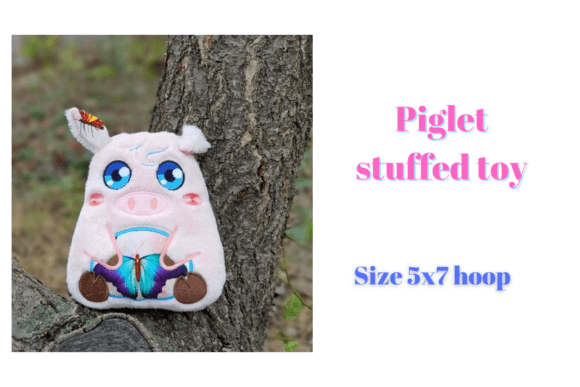
The immediate mood this design creates is one of soft nostalgia. It does not try to be overly complex or hyper-realistic. Instead, it leans into a stylized, plush aesthetic that translates surprisingly well to embroidery. The layout is balanced, with the character’s clothes integrated directly into the In-The-Hoop (ITH) process. This is a crucial detail for any serious crafter. It means the final look is cohesive, with no awkward gaps between the body and the outfit.
For those working in the Farm Animals niche or simply looking for whimsical character designs, this piece stands out because of its clean lines. The visual personality is friendly and approachable, making it an ideal candidate for products aimed at children or those who appreciate gentle, storybook-style decor. However, a pretty preview is not enough. We need to talk about how it handles the physical realities of machine embroidery.
Real-World Application and Product Fit
I recently considered using this design for a custom order involving a set of personalized baby items. The client wanted something unique for a nursery theme. While the primary function of an ITH design is to create a stuffed toy, the components of Piglet Plush Doll ITH offer versatility. If you are an Etsy seller or small shop owner, you might wonder if this can be adapted. The answer lies in understanding the construction.
Because the design includes full step-by-step instructions, it guides you through creating a three-dimensional object. This is not a flat applique design meant for a sweatshirt embroidery project or a tote bag design in the traditional sense. It is a structural build. However, the techniques used here—such as managing layers and securing edges—are vital skills for anyone doing commercial embroidery. If you are creating boutique branding items, mastering this ITH process allows you to offer high-value, tactile products like plush dolls, which often command higher prices than flat embroidered patches.
For holiday embroidery gifts, this design shines. A handmade plush toy carries an emotional weight that a standard printed item lacks. When customers receive a finished product that has been stitched with care, it builds trust and enhances brand consistency. The "plush" aspect suggests comfort, making it perfect for baby embroidery projects or comforting keepsakes.
Technical Performance and Stitching Clarity
Let’s discuss the technical side. The description notes that the clothes are done all ITH. This implies a multi-step hooping process where fabric is added and trimmed between steps. From a designer’s perspective, this requires precision. The stitch density appears moderate, which is good for maintaining the softness of the plush material without making it stiff. However, you must pay attention to the small details.
When working with any ITH design, the alignment of the final closure is critical. If the stitch path for the closing seam is off by even a millimeter, your doll will look lopsided. I recommend testing the design on scrap fabric first. Do not skip this step. Use the same type of stuffing and fabric you intend to use for the final product. This helps you gauge how the fabric texture interacts with the satin stitch and fill stitch areas. Thick fleece behaves differently than minky or cotton flannel.
Thread colors play a significant role here. Since the design relies on distinct sections for the body and clothes, ensure you have high contrast between your thread choices and your fabric. If you use a dark fabric for the body, make sure the outline stitches are visible enough to guide your trimming and folding. Reviewing the design in black and white mockups can help you identify potential visibility issues before you thread up the machine.
Challenges and Careful Considerations
There are scenarios where you should use caution. First, hoop size. Ensure your machine can accommodate the required hoop for the entire sequence. Trying to force a design into a smaller hoop than recommended will result in distorted shapes and broken needles. Second, consider the fabric. Stretchy fabrics can be tricky in ITH projects because they shift during the multiple hooping stages. A stable, non-stretch plush fabric is ideal.
Also, think about the end-use. This is a plush toy, not a flat patch. It is not suitable for curved surfaces like caps or for items that need frequent, harsh washing unless you secure the seams exceptionally well. For apparel decorators, this design is not a direct fit for t-shirts or aprons unless you are attaching the finished doll as an embellishment, which adds bulk. It is best suited for standalone decorative items or gifts.
Practical Notes for Designers and Makers
If you are a digital product seller or craft business owner, here are my practical notes for integrating Piglet Plush Doll ITH into your workflow:
- Check File Formats: The product comes with multiple embroidery file formats. Verify that your specific machine brand and model are supported before purchasing or starting the project.
- Stabilizer Selection: Use a cut-away stabilizer for the main body pieces to provide lasting support, especially if the doll will be hugged and played with frequently.
- License Verification: Always confirm licensing terms. Can you sell the finished plush dolls? Can you use the images in your printable mockup or marketing materials? Most designers allow selling finished physical items but restrict sharing the digital embroidery file itself.
- Test Stitch Out: Run a test on similar fabric to check for thread breaks in tight corners or dense areas. Adjust tension if necessary.
- Photography: When listing this as a small shop product, take photos that show the texture. Highlight the quality of the stitching to justify the price point.
Final Verdict on Value and Appeal
The Piglet Plush Doll ITH is a solid addition to any designer’s library of character-based assets. It offers a complete solution with instructions, which reduces the learning curve for beginners while providing a reliable base for experienced makers. The visual appeal is high, with a charm that resonates with buyers looking for personalized gifts or unique nursery decor.
For the handmade community, this design represents an opportunity to create something with genuine emotional value. It is not just another digitized shape; it is a project that results in a huggable, tangible item. Whether you are an hobbyist making gifts for family or an entrepreneur building a line of plush toys, this design holds up under scrutiny. Just remember to respect the technical requirements of ITH work, choose your materials wisely, and always test before committing to production. With careful execution, this design can become a staple in your portfolio of successful embroidery projects.