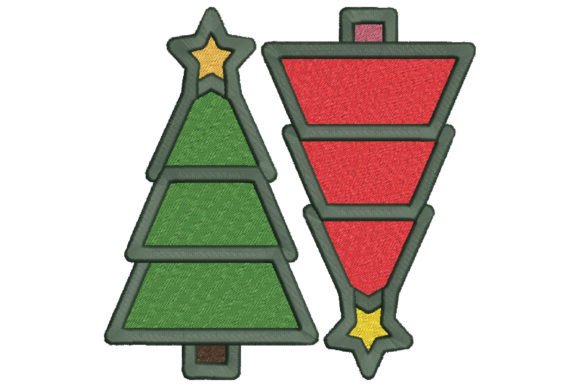
Reviewing 2 Christmas Trees for Festive Projects
As an embroidery designer who spends countless hours digitizing and stitching, I am always on the lookout for design assets that balance aesthetic appeal with technical reliability. When I stumbled upon 2 Christmas Trees on Creative Fabrica, my initial curiosity was piqued by its promise of a modern and unique look. In a market saturated with traditional, overly complex holiday motifs, finding a design that feels fresh yet manageable for real-world production is a rare find. This review explores whether this specific machine embroidery design holds up under the scrutiny of professional use, from custom apparel to boutique home decor.
First Impressions and Visual Mood
The visual mood of 2 Christmas Trees is distinctly contemporary. Unlike vintage styles that rely heavily on dense fill stitches and intricate shading, this design leans into a cleaner, more graphic aesthetic. This approach is particularly appealing for modern handmade products where simplicity often translates to higher perceived value. The stitching personality appears to favor clarity over clutter, which is crucial when working with smaller hoop sizes or textured fabrics where fine details can easily get lost.
For embroidery designers, the appeal lies in the versatility. The design does not scream "traditional holiday" in a way that limits its shelf life to just December 25th. Instead, it offers a festive look that can extend through the entire winter season. This extended relevance is a significant advantage for Etsy sellers and small business owners looking to maximize the ROI of their digital embroidery file purchases. The fun element mentioned in the product description suggests a playful touch, making it suitable for children’s items as well as adult fashion.
Performance in Real Embroidery Projects
When considering 2 Christmas Trees for commercial embroidery, I immediately mentally mapped out various applications. The design’s structure seems ideal for custom apparel, particularly sweatshirt embroidery. A chest-left placement on a heavyweight cotton blend hoodie would allow the design to stand out without overwhelming the garment. Similarly, this motif would translate beautifully onto a tote bag design. The flat surface of a canvas tote provides an excellent canvas for the clean lines of the trees, ensuring that the stitch definition remains sharp.
For those creating personalized gifts, this design offers a charming option for baby items. Imagine this stitched onto a soft muslin swaddle or a burp cloth. However, one must be cautious with stretchy fabric. While the design looks manageable, any embroidery on knit fabrics requires careful attention to stabilizer choice to prevent puckering. For kitchen towels or aprons, the festive theme adds a seasonal touch that customers love during the holidays. The key here is to ensure the thread colors contrast well with the fabric base, enhancing the visual appeal without creating a muddy appearance.
Another promising application is the embroidered patch. With the rise of DIY culture, many crafters buy digital embroidery files to create iron-on or sew-on patches. If the stitch density of 2 Christmas Trees is moderate, it could be cut out and applied to caps or denim jackets, adding a layer of texture and interest to finished products. This versatility makes it a strong candidate for creative entrepreneurs who sell design assets or finished goods across multiple platforms.
Practical Considerations for Stitching Success
While the aesthetic is promising, practical execution is where many designs fail. Before running 2 Christmas Trees on a customer order, several technical factors must be evaluated. First, check the hoop size compatibility. Although the product description notes that it comes with multiple embroidery file formats, it does not specify the exact dimensions. Always confirm the largest hoop size required to ensure your machine can accommodate the design. If you are working with a 4x4 inch hoop, verify that the design fits within those boundaries without scaling issues that might distort the stitch density.
Stitch density is another critical factor. Modern designs often use a mix of satin stitch for outlines and fill stitch for larger areas. If the fill areas are too dense, they can cause fabric distortion, especially on lighter materials like cotton voile or linen. Conversely, if the density is too low, the fabric may show through, ruining the professional look of the handmade product. I recommend running a test stitch on scrap fabric that matches the weight and weave of your final material. This step is non-negotiable for maintaining buyer trust and brand consistency.
Dark fabric presents its own challenges. If you plan to stitch this design on navy or black garments, consider using a lighter thread color palette to ensure visibility. Alternatively, if the design includes white or light elements, ensure that the underlying stabilizer is also light-colored to prevent dark backing from showing through sparse stitch areas. For curved surfaces like caps, the design’s complexity should be minimal to avoid registration issues. A simpler, bolder design like 2 Christmas Trees is generally safer for caps than highly detailed illustrations.
Enhancing Product Value and Brand Appeal
Incorporating high-quality designs like 2 Christmas Trees can significantly elevate the perceived value of your finished product. Customers are increasingly discerning; they can spot poor digitization or messy stitching from a mile away. A clean, well-executed embroidery project signals professionalism and care. This attention to detail fosters buyer trust, which is essential for building a loyal customer base on platforms like Etsy or at local craft fairs.
Moreover, the visual appeal of the design impacts product photography. A crisp, modern embroidery motif photographs better than a cluttered one, allowing for cleaner printable mockup creation. These mockups are vital for online listings, as they help customers visualize the final product. Consistent use of such design assets helps establish brand identity. If your shop specializes in modern, minimalist holiday decor, this design aligns perfectly with that narrative, enhancing customer engagement and conversion rates.
Final Recommendations and Best Practices
Before committing to a large production run, always review the specific file details on the Creative Fabrica product page. Confirm the license terms to ensure you are compliant for commercial use. While most Creative Fabrica embroidery products allow for the sale of finished physical items, it is crucial to double-check any restrictions on digital redistribution. Additionally, inspect the included file formats to ensure compatibility with your embroidery software and machine.
Use proper stabilizer techniques. For woven fabrics, a cut-away stabilizer often provides the best long-term durability, especially for items that will undergo frequent washing. For knits, a tear-away with a topper might be sufficient, but test first. Check thread color contrast by stitching a sample on both light and dark fabrics. This simple step can save you from costly mistakes and unhappy customers.
In conclusion, 2 Christmas Trees appears to be a solid addition to any embroidery designer’s library. Its modern aesthetic, combined with the potential for versatile application across various handmade products, makes it a worthwhile consideration for your next holiday collection. By paying attention to technical details like stitch density, hoop size, and fabric choice, you can transform this digital embroidery file into a standout finished product that delights customers and strengthens your brand.