True Story: A Festive Embroidery Review for Craft Fairs
As an embroidery designer who has spent countless weekends standing behind booth tables, watching customers browse through stacks of handmade goods, I have learned that not every design translates well from screen to stitch. When I first loaded the True Story machine embroidery design into my software, I was looking for more than just aesthetic appeal. I was evaluating its potential as a high-converting craft fair product. In the bustling world of holiday markets, you have seconds to capture attention. Does this design hold up under the bright lights of a convention center? Does it offer the versatility needed for a diverse inventory? Let’s break down why this festive piece might just be the anchor your holiday collection needs.
First Impressions and Market Appeal
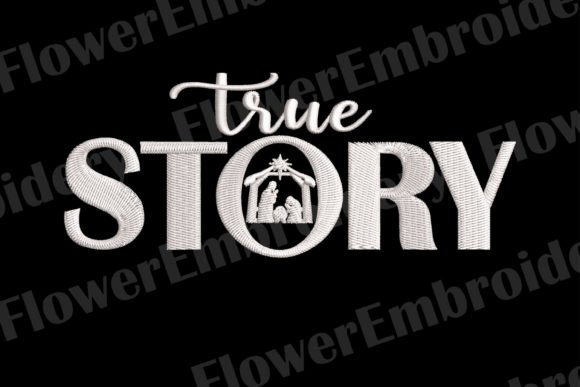
The title True Story suggests a narrative quality, something personal and authentic. In the context of Christmas and winter holidays, consumers are often seeking items that feel genuine rather than mass-produced. This design appears to bridge the gap between modern minimalism and traditional festive warmth. It does not scream for attention with chaotic elements; instead, it invites a closer look. For an Etsy seller or a boutique maker, this subtlety is a strength. It allows the craftsmanship to shine without overwhelming the base material.
When considering the mood, I would classify this as elegant yet approachable. It fits seamlessly into the farmhouse aesthetic that continues to dominate home decor trends, but it is clean enough to work in a modern minimalist setting. This duality expands your target audience. You are not just selling to one niche; you are appealing to anyone who values quality handmade products with a meaningful touch.
Versatility Across Product Lines
The true test of any digital embroidery file is its adaptability. A design that only works on one item limits your revenue potential. True Story demonstrates remarkable flexibility across various substrates. Here is how it performs on key small shop products:
- Tote Bag Design: This is perhaps the strongest application. A canvas tote provides a flat, stable surface that showcases the stitch definition beautifully. It serves as a practical gift and a walking advertisement for your brand.
- Apron Embroidery: Holiday cooking is a major theme. Placing this design on a high-quality linen or cotton apron creates an instant heirloom piece. It elevates a simple kitchen tool into a cherished keepsake.
- Tea Towel Embroidery: Kitchen textiles are impulse buy staples at craft fairs. The design’s clarity ensures it remains legible even when scaled down for smaller towels, provided you manage the stitch density correctly.
- Embroidered Patch: If you offer iron-on or sew-on patches, this design’s contained shape makes it ideal. Patches allow customers to customize their own jackets or bags, adding an interactive element to your booth.
- Pillow Covers: For home decor, this design adds a focal point without dominating the entire cushion. It pairs well with neutral fabrics, allowing the thread colors to pop.
Production Practicality for Batch Selling
For those of us running a commercial embroidery operation, time is money. We need designs that are reliable and repeatable. True Story seems engineered for efficiency. The description notes it comes with multiple embroidery files, which is crucial for accommodating different hoop sizes. This flexibility means you can produce small gifts like pouches and larger items like market bags using the same artistic asset.
However, practical production requires vigilance. You must check the stitch density. If the design is too dense, it can cause puckering on lightweight fabrics like tea towels. Conversely, if it is too sparse, it may lack the premium feel customers expect from a handmade product. Always test the design on scrap fabric before committing to your final inventory. Pay close attention to the stabilizer choice. A cut-away stabilizer might be necessary for stretchy fabrics, while a tear-away could suffice for stable wovens.
Navigating Technical Challenges
While the design is versatile, there are careful-use notes to consider. Small lettering or intricate details can get lost on textured fabrics. If you are embroidering on thick terry cloth towels or heavy denim, ensure the design size is large enough to maintain clarity. Dark fabric presents another challenge; you must verify that the thread colors provide sufficient contrast. A dark thread on a dark fabric will vanish, ruining the visual impact.
Curved surfaces, such as caps, require special attention. The design should be positioned carefully to avoid distortion. If the design includes fine lines, they may break or look jagged on curved seams. Always create at least one real mockup on the actual product type you intend to sell. Do not rely solely on digital printable mockups, as they cannot replicate the texture and sheen of real thread.
Boosting Brand Consistency and Visual Appeal
In a crowded marketplace, brand consistency builds trust. Using a cohesive design like True Story across your product line creates a unified look. Whether a customer buys a tote bag or a pillow cover, they recognize the quality and style associated with your shop. This consistency enhances perceived value. Customers are willing to pay more for items that look curated and professional.
Photography plays a pivotal role in online sales. This design photographs well because of its clean lines and balanced composition. When creating listings for your Etsy shop or website, ensure your photos highlight the texture of the stitches. Close-up shots that show the interplay of thread colors and fabric texture can significantly increase buyer engagement. A well-lit image that captures the subtle sheen of the embroidery can turn a browser into a buyer.
Final Designer Notes and Licensing
Before you launch your holiday collection, there are administrative steps to take. Confirm the commercial licensing terms of the digital embroidery file. Ensure you have the right to sell finished products made with this design. Most reputable designers grant this rights, but it is essential to read the specific terms included with your purchase.
Additionally, review the spacing of elements within the design. Ensure there is adequate room for hooping without hitting the edges of your frame. Check thread contrast against your chosen fabric palette. Create a variety of samples to display at your booth. Seeing the design on different items helps customers visualize how it would fit into their lives.
In conclusion, True Story is a strong contender for your holiday inventory. It balances aesthetic appeal with production practicality. By paying attention to fabric texture, stabilizer choice, and presentation, you can transform this digital asset into a best-selling handmade product. It is not just about stitching a design; it is about creating an experience that resonates with customers seeking meaning and quality in their festive celebrations.