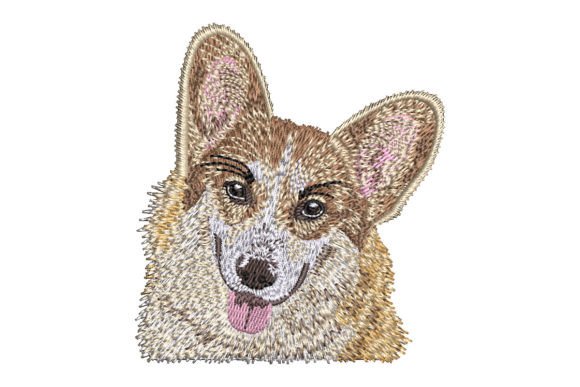
Reviewing the Pembroke Welsh Corgi Embroidery Design
As a designer who spends more time staring at stitch maps than actual thread spools, I approach every new machine embroidery design with a mix of curiosity and skepticism. We have all seen those generic dog outlines that look like blobs from three feet away. So, when I pulled up the Pembroke Welsh Corgi file to evaluate it for a potential client project, I was looking for clarity, character, and technical soundness. This is not just about stitching a cute animal; it is about creating a finished product that holds up to scrutiny, washing, and the discerning eyes of dog lovers.
First Impressions: Capturing the Corgi Spirit
The first thing that strikes you about this embroidery file is its commitment to realism without sacrificing stitchability. Corgis are distinct creatures—low to the ground, big-eared, and expressive. A poor design will flatten these features into a cartoonish mess. However, this layout respects the breed’s proportions. The visual personality is warm and inviting, creating a mood that feels less like a mass-produced graphic and more like a piece of genuine Dog Art.
The color palette, based on ISACORD 40 threads, suggests a thoughtful approach to shading. For those of us who care about thread colors, this is a relief. It means the transition from the creamy chest to the richer saddle markings is handled with nuance. When I visualize this stitched out, I do not see harsh lines; I see a soft, textured representation that invites touch. This is crucial for items meant to be held, worn, or gifted.
Real-World Application: From Mockup to Market
To truly test a design, you must imagine it in a real-life scenario. I recently worked with an Etsy seller who specializes in personalized pet gifts. She needed a standout piece for her spring collection, something that would appeal to the passionate Corgi community. We considered using this design on a high-quality canvas tote bag design. The result? The realistic style elevated the bag from a simple accessory to a statement piece.
But versatility is key for any craft business. This design does not limit itself to tote bags. Imagine it as a focal point on a heather grey sweatshirt embroidery project. The fill stitches would provide enough density to stand out against the fabric texture, while the satin stitch details in the eyes would give the dog that essential spark of life. It also works beautifully for baby embroidery on organic cotton onesies, provided you scale it down appropriately and use a softer stabilizer to protect delicate skin.
For holiday embroidery projects, such as Christmas stockings or festive pillow covers, the warm tones of the Corgi fit seamlessly into autumnal and winter color schemes. It is a design that feels at home in a cozy nursery or a bustling kitchen, making it a strong candidate for personalized gift lines.
Technical Considerations and Stitch Performance
Let us talk about the nuts and bolts. A pretty picture on screen does not always translate to a clean stitch-out. In my assessment, the balance between satin stitch and fill stitch here is well-managed. The ears, which are critical for a Corgi’s identity, appear to use satin stitching to maintain sharp definition. Meanwhile, the body utilizes fill stitches that should lay flat without excessive puckering, assuming proper hooping.
However, stitch density is always a concern with realistic designs. If the density is too high, you risk needle breaks or fabric distortion. If it is too low, the fabric shows through, ruining the illusion. Based on the preview, this design seems optimized for standard woven fabrics. But I strongly advise testing on scrap fabric first. Every machine behaves differently, and every operator has their own tension preferences.
One area to watch is the finer details around the face. Realistic eyes require precision. If your machine is older or your needles are dull, these small areas might lose definition. Always use a fresh needle, preferably a size 75/11 or 80/12 depending on your thread weight, to ensure clean penetration.
Where to Use It—and Where to Pause
Not every surface is friendly to detailed embroidery. While this design shines on stable fabrics like cotton twill, denim, or canvas, you must exercise caution with stretchy materials. Stitching a dense, realistic dog onto a thin, stretchy t-shirt without the right stabilizer is a recipe for disaster. The fabric will pull, and the image will warp. For custom apparel made of jersey knits, use a cut-away stabilizer and consider backing the area with interfacing if the garment is lightweight.
Curved surfaces present another challenge. If you are attempting this on a cap or hat, ensure you have a cap frame and sufficient experience. The curvature can distort the perspective of the dog’s face. Similarly, avoid placing this design on areas with heavy seams or zippers, as the hoop cannot sit flat, leading to uneven stitch formation.
For embroidered patch creation, this design is excellent. The clear outlines allow for clean cutting after stitching. Just ensure you leave enough margin around the edges for trimming and sealing.
Boosting Brand Value and Customer Trust
Why does design quality matter to your bottom line? Because customers can tell the difference. A crisp, well-stitched Pembroke Welsh Corgi signals professionalism. It tells the buyer that you care about quality. In the world of small shop product sales, this attention to detail builds trust. It encourages repeat business and positive reviews.
When creating printable mockup assets for your online store, use high-resolution images of the stitched design. Show it on different backgrounds to demonstrate versatility. Highlight the texture of the thread. This helps buyers visualize the handmade product in their homes, increasing conversion rates.
Final Designer Notes
Before you commit to a large production run or list this as a new digital embroidery file in your shop, take these practical steps:
- Check Licensing: Confirm whether the license allows for commercial use of finished items. This is critical for commercial embroidery projects.
- Test on Dark Fabrics: Realistic designs often rely on light-to-dark transitions. Ensure the lighter threads have enough coverage on dark fabrics, or consider adding an underlay.
- Verify Hoop Size: Make sure the design fits within your available hoop sizes without scaling it so small that details are lost.
- Inspect Small Details: Zoom in on the digitizing software. Look for unnecessary jump stitches or overlapping paths that could cause thread bunching.
In conclusion, the Pembroke Welsh Corgi design is a strong contender for any designer’s library. It balances artistic realism with technical practicality. Whether you are creating a custom apparel line, crafting unique holiday embroidery gifts, or building a brand around Dogs and Embroidery, this file offers the quality needed to succeed. Just remember: test, stabilize, and stitch with confidence.