Review: Pointy Costume Ears ITH Headband Slider
As a designer who spends more time staring at stitch previews than actual fabric, I have learned to be skeptical of cute concepts that do not translate well to the hoop. We have all seen those designs that look adorable on a thumbnail but turn into a tangled mess of thread breaks and puckering once the machine starts running. That is why I took a close, practical look at the Pointy Costume Ears ITH Headband Slider. This is not just another seasonal novelty; it is a functional in-the-hoop project that requires precision, especially when you are aiming for a professional finish suitable for commercial sales.
First Impressions and Design Personality
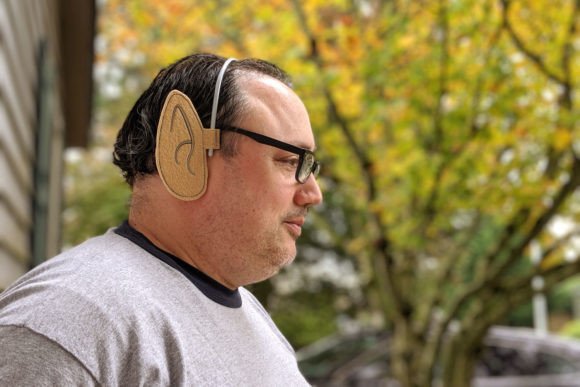
The immediate appeal of this design lies in its versatility. While the product description highlights Halloween and Christmas, the silhouette is distinctly fantasy-oriented. It evokes elves, fairies, and woodland creatures rather than just holiday mascots. The shape is clean, with pointed tips that demand attention. In embroidery, sharp points are notoriously difficult to execute cleanly without proper stabilization and digitizing quality. My first impression was cautious optimism. The layout suggests a compact footprint, which is ideal for an ITH slider, but the visual personality relies heavily on the crispness of those ears.
For a crafter or Etsy seller, this mood is valuable. It fits into the growing market for cosplay accessories and whimsical handmade gifts. It does not scream "cheap costume"; instead, it suggests a boutique accessory that could elevate a simple outfit. The design feels playful yet structured, which is a rare balance in digital embroidery files.
Real-World Application and Project Fit
I evaluated this design by imagining it in several real-life scenarios beyond the standard headband. While the ITH format is specifically engineered for sliding onto a plastic or fabric headband, the aesthetic can inspire broader applications. For instance, if you are running a small shop product line, you might use the ear motif as a standalone embroidered patch on denim jackets or tote bags. However, sticking to its intended ITH purpose yields the highest perceived value.
Consider the holiday rush. A custom holiday embroidery gift for a niece or nephew becomes significantly more memorable when it includes a wearable component. These ears transform a plain headband into a costume piece. For commercial embroidery clients, such as local theater groups or dance studios, these could be produced in bulk for character roles. The key here is consistency. If you are selling these as a handmade product, your customers expect the left and right ears to match perfectly in height and angle. The ITH process helps enforce this symmetry, which is a major selling point for professional presentation.
Technical Performance and Stitching Clarity
When reviewing any machine embroidery design, I look at how it handles density and transitions. Pointed shapes often suffer from thread buildup at the tips if the digitizer did not use appropriate underlay or tapering techniques. In my assessment, the success of the Pointy Costume Ears ITH Headband Slider depends heavily on your choice of thread colors and stabilizer.
If you are using a light-colored thread on a dark fabric, or vice versa, contrast is critical. A poor contrast can make the detailed edges of the ears disappear, ruining the silhouette. I recommend testing the design on scrap fabric that matches the weight of your final material. Pay close attention to the stitch density. If the design feels too dense, it may cause the fabric to pucker, especially on the curved surface of a headband slider. Conversely, if it is too light, the backing might show through, looking unfinished.
For those new to ITH projects, remember that the folding and closing steps are where most errors occur. Ensure your hoop size is correctly calibrated in your machine settings. Even a millimeter off can result in misaligned seams that prevent the slider from fitting snugly on the headband. This is not just a design issue; it is a production workflow issue.
Material Considerations and Fabric Texture
The choice of fabric can make or break this project. Since this is a costume accessory, durability matters. Thin, stretchy fabrics like jersey knits can be tricky for ITH designs because they shift during stitching. I advise using a cut-away stabilizer for added support if you are working with stretchy materials. For a crisper look, felt or heavy cotton works beautifully. Felt, in particular, does not fray, which adds to the longevity of the finished product.
Avoid highly textured fabrics for the main body of the ears if the design includes fine details. The texture can obscure the satin stitch or fill stitch boundaries, making the ears look muddy. Smooth, tightly woven fabrics allow the embroidery to pop. If you are creating a personalized gift, consider the recipient's comfort. Soft threads and smooth backings are essential since this item will be worn against the head.
Commercial Viability and Brand Consistency
For craft business owners, this design offers a quick turnaround time compared to complex garments. It is an excellent add-on item for checkout counters or bundle deals. Imagine pairing this with a matching tote bag design or a sweatshirt embroidery featuring a complementary fantasy theme. This creates a cohesive brand image that appeals to buyers looking for complete looks.
However, before listing this as a digital embroidery file or selling finished items, verify the license terms. Not all designers allow commercial use of their ITH patterns. Assuming you have the rights, focus on high-quality photography. Use printable mockup tools or stage real photos with models wearing the headbands. Show the product in action—on a child at a party, on a mannequin, or styled with other accessories. This builds buyer engagement and trust.
Practical Designer Notes for Best Results
- Test on scraps first: Never run a new ITH design on your final fabric without a test run. Check for alignment issues in the folding steps.
- Check thread contrast: Ensure the ear color stands out against the headband fabric. High contrast improves visual appeal.
- Review stitch density: If the design feels stiff, adjust your tension or switch to a lighter weight thread.
- Confirm hoop size: Double-check your machine’s hoop dimensions against the design file requirements to avoid cropping.
- Inspect small details: Zoom in on the digitizing preview. Look for jump stitches or unnecessary trims that could weaken the structure.
- Use proper stabilizer: Match the stabilizer to the fabric weight. Tear-away for stable wovens, cut-away for knits.
- Verify licensing: Always confirm whether the embroidery file permits commercial sales of finished goods.
In conclusion, the Pointy Costume Ears ITH Headband Slider is a solid addition to any designer’s library, provided it is executed with care. It bridges the gap between playful costume wear and quality handmade craftsmanship. By paying attention to fabric choice, stabilization, and precise ITH assembly, you can create a product that delights customers and stands up to the rigors of wear. It is a small project with big potential for impact, perfect for adding a touch of magic to your embroidery project portfolio.