Racket and Ball Embroidery Design Review
As an embroidery designer who spends countless hours digitizing and stitching for clients, I have learned that not every machine embroidery design is created equal. Some files look promising in the preview but turn into a nightmare of thread breaks and puckering on the machine. Recently, I came across Racket and Ball on Creative Fabrica and decided to put it through its paces. My goal was simple: determine if this design is robust enough for commercial use or if it is better suited for personal hobby projects. After reviewing the file details and considering its application on various textiles, I am ready to share my honest assessment.
First Impressions and Visual Appeal
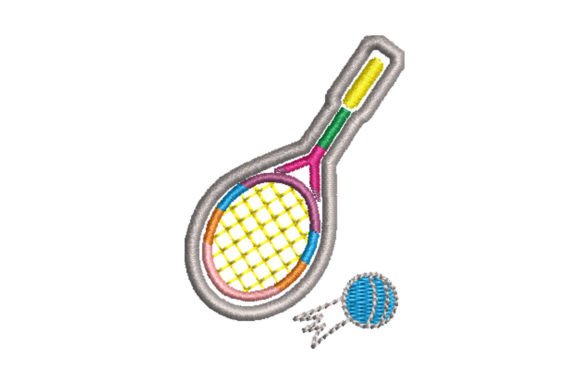
The first thing that catches your eye with Racket and Ball is its clean, sporty aesthetic. It captures the energy of the Sports category without being overly cluttered. For those of us who sell handmade products, visual clarity is crucial. A design that is too dense or complex can get lost on smaller items like baby hats or pocket patches. This design strikes a nice balance, offering enough detail to be recognizable while maintaining an open structure that allows the fabric to breathe.
The mood of the piece is playful yet elegant. It does not scream "generic sports clipart." Instead, it feels like a thoughtful addition to a curated collection. When I visualize this stitched onto a high-quality cotton tote or a structured cap, I see immediate potential for boutique merchandise. The lines appear crisp, suggesting that the digitizer paid attention to the flow of the satin stitch and fill stitch elements. This attention to detail is what separates a amateur file from a professional-grade embroidery file.
Practical Applications for Small Business Owners
For Etsy sellers and creative entrepreneurs, versatility is key. You need designs that can be applied across multiple product lines to maximize your return on investment. Racket and Ball offers several avenues for monetization. Here is how I envision using this design in a real-world shop:
- Custom Apparel: This design works beautifully on sweatshirts and t-shirts. Placed on the left chest, it creates a subtle, branded look for local sports clubs or school teams.
- Tote Bag Design: A larger hoop placement on a canvas tote makes for a stylish accessory for tennis or badminton enthusiasts. The durability of the stitching will hold up well against the weight of gear.
- Embroidered Patch: Because the edges seem well-defined, this would make an excellent iron-on or sew-on patch. Patches are a low-risk, high-margin product for craft fairs.
- Kitchen Towels and Aprons: For a more domestic angle, stitching this onto linen towels adds a personalized touch for housewarming gifts.
The description notes that the design comes with multiple formats, which is essential for compatibility with different machines. However, as a professional, I always advise checking the specific file types listed on the Creative Fabrica embroidery product page to ensure they match your hardware.
Technical Considerations and Stitching Performance
While the visual appeal is strong, the technical execution is where a design truly proves its worth. When working with any new digital embroidery file, there are critical factors to consider before committing to a final product.
Fabric and Stabilizer Choices
Since this design likely utilizes a mix of stitch types, including potentially some running stitch outlines and denser fill areas, fabric choice matters. On stretchy fabrics like jersey knits for t-shirts, a cut-away stabilizer is non-negotiable to prevent distortion. For woven fabrics like canvas or denim, a tear-away might suffice, but I always recommend testing on scrap fabric first. The stitch density appears moderate, which is good news. Overly dense designs can cause puckering, especially on lighter materials like baby blankets or silk blends.
Hoop Size and Placement
One of the advantages of Racket and Ball is its adaptability to different hoop size constraints. Whether you are using a 4x4 inch hoop for a cap or a 5x7 inch hoop for a towel, the design should scale reasonably well. However, always check the dimensions provided in the download folder. If you plan to stitch this on curved surfaces like caps, ensure your machine has the appropriate jig and that the design is centered correctly to avoid alignment issues.
Thread Color and Contrast
The elegance of this design relies heavily on contrast. On dark fabrics, using metallic or bright white threads can make the racket and ball pop. On light fabrics, navy or deep green threads can provide a sophisticated, preppy look. I recommend creating a few printable mockup images with different color combinations to see what resonates with your target audience before stitching the final sample.
Enhancing Product Value and Brand Consistency
Using high-quality assets like Racket and Ball directly impacts buyer trust. Customers can spot poor digitizing from a mile away. Loose threads, gaps in coverage, or distorted shapes signal a lack of professionalism. By choosing a well-digitized design, you elevate the perceived value of your finished product. This is particularly important for commercial embroidery projects where clients expect durability and precision.
Furthermore, consistency in your shop’s aesthetic helps build brand recognition. If your shop focuses on active lifestyles or handmade gifts, incorporating sports-themed designs that are tasteful rather than cartoonish helps maintain a cohesive brand identity. This design fits seamlessly into a narrative of quality and care.
Final Verdict and Best Practices
Is Racket and Ball worth downloading? Based on its visual structure and versatility, yes. It is a solid addition to any designer’s library, particularly for those targeting the sports and leisure market. However, success lies in the execution. Before listing any personalized gift or custom apparel item featuring this design, follow these steps:
- Test on Scrap Fabric: Always stitch a test run on the same type of fabric you intend to sell. Check for tension issues and thread breaks.
- Review License Terms: Creative Fabrica typically offers generous licensing, but always read the specific terms for the product to confirm you can sell physical finished items.
- Inspect Small Details: Zoom in on the preview and inspect the stitched sample. Ensure small elements like the ball texture or racket strings are clear and not merged.
- Photograph Well: Use good lighting to highlight the texture of the stitches. High-quality photos of your embroidered patch or garment will drive sales more than anything else.
In conclusion, Racket and Ball is a reliable, attractive option for embroidery designers looking to expand their design assets. It balances fun and elegance, making it suitable for a wide range of applications from nursery decor to adult athletic wear. With proper stabilizer use and careful thread selection, it can become a staple in your portfolio of best-selling items.